
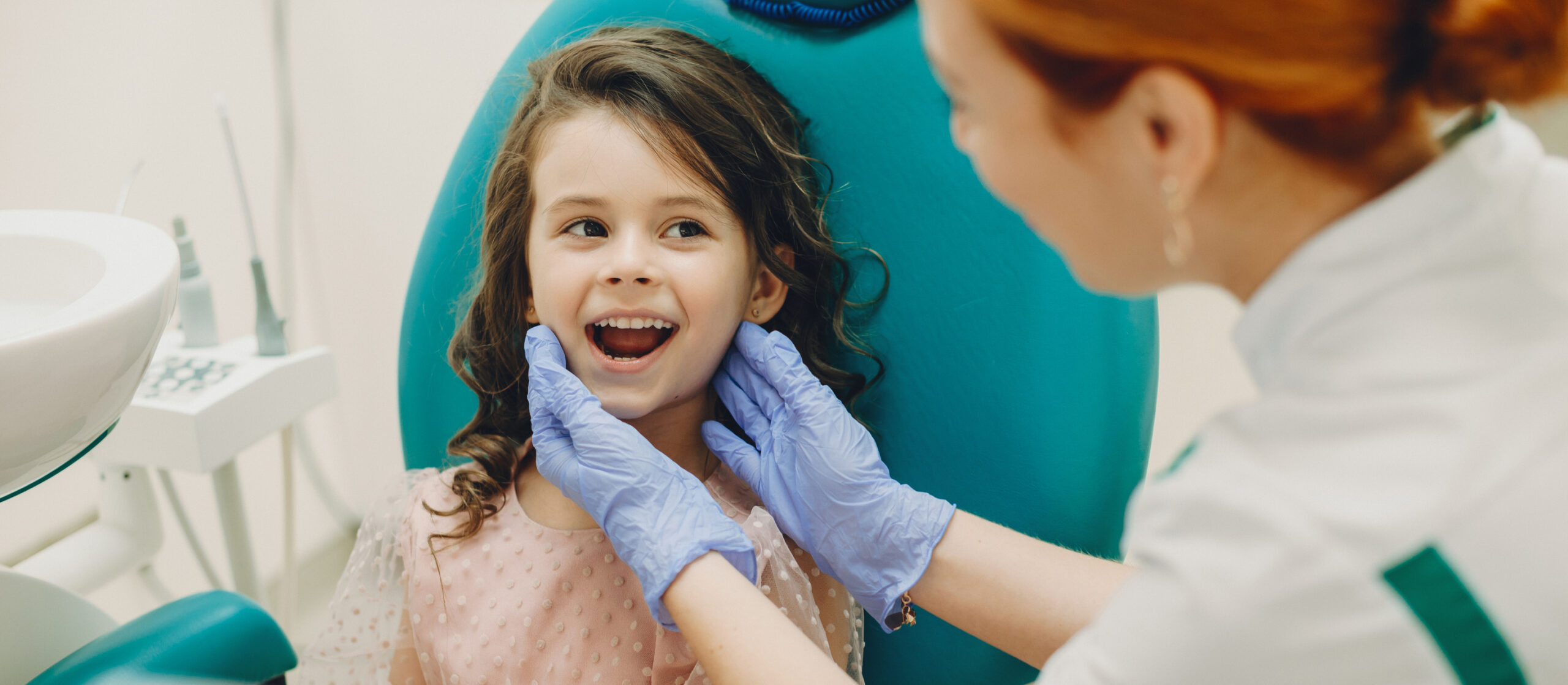
You tuck your child in for the night, and an hour later you hear loud snoring drifting down the hall. Many parents brush it off, yet snoring, restless sleep, and daytime tiredness can sometimes be linked to how a child breathes. A pediatric airway evaluation is a calm, step-by-step way to learn more. It combines questions about sleep, a gentle look at your child’s mouth and jaw, and a plan for what comes next if anything stands out.
At Kind Kids Dental in Clackamas, airway screening is part of our pediatric dental services. We allow plenty of time for appointments, so Dr. Kasey Hall can examine your child’s airway without rushing and answer questions along the way.
Why We Start With Questions About Sleep
Most parents never think to mention sleep to their dentist, and many are unsure what to watch for at night. That is why we begin with questions about sleep quality, because airway concerns can sometimes sit behind common dental problems such as recurring cavities. Those answers help us decide where to focus our attention during the exam, and we welcome new patients with questions about their child’s sleep.
We might ask whether your child sleeps through the night, snores regularly, gets congested often, deals with allergies, wakes up frequently, has night terrors, or has recurring bedwetting. We may also ask whether your pediatrician has ever mentioned the size of your child’s tonsils. A single question often sparks a connection, like noticing your child grinds their teeth at night or always seems tired. We can have you complete a pediatric sleep apnea questionnaire for us to review together.
What We Check During the Exam
During the exam, we look at how your child’s mouth is developing and watch for changes that could affect breathing or the way the teeth come in. Depending on your child’s age, we may check:
- Breathing patterns: mouth breathing or frequent snoring
- Jaw growth: how the jaw and facial structure are developing
- Palate shape: signs that the palate may be narrow
- Oral habits: thumb sucking, pacifier use, or tongue thrusting that may influence development
- Tooth eruption and spacing: how the baby and permanent teeth are coming in and if there appears to be enough room for them
Airway screening is also supported by the American Academy of Pediatric Dentistry, which recommends that dental teams screen for sleep-related breathing disorders as part of a child’s history and clinical exam. Frequent loud snoring and mouth breathing are among the signs that may warrant a closer look.
What Happens if We Notice a Concern?
Not everything we notice during an airway screening needs treatment. Sometimes the right approach is simply to keep an eye on your child’s development and check the area again at a future visit. If something deserves more attention, we will explain what we are seeing and if another type of provider should take a closer look.
Dental exams can identify signs of a possible airway problem, but diagnosing a sleep-related breathing disorder requires medical evaluation. The American Academy of Pediatric Dentistry recommends referring children for further assessment when appropriate, which may include seeing an ENT or sleep medicine physician and having a sleep study. If your child needs that additional evaluation, we can help connect their dental findings with the care they receive outside our office.
How We Keep the Visit Comfortable
Your child’s comfort matters as much as the findings. We take time to explain options for making your child comfortable, and we use behavior guidance, sensory accommodations, and customized appointments to meet each child where they are. Our approach to helping anxious and special-needs kids at the dentist centers on patience, clear explanations, and moving at each child’s pace.
Airway checks are part of every visit, so they can begin as early as your child’s first dental visit. We are glad to discuss sleep and breathing at any appointment, even if your child has never had any concerns before.
Bring Your Sleep Questions to Kind Kids Dental
Snoring, mouth breathing, teeth grinding, or restless sleep can be worth mentioning at your child’s next dental visit. Dr. Kasey Hall earned his dental degree from Oregon Health & Science University School of Dentistry and completed a two-year pediatric dental residency at St. Joseph Hospital for Specialty Care in Providence, Rhode Island, where he gained experience in surgery, orthodontics, and trauma care. He is a member of the American Academy of Pediatric Dentistry, speaks fluent Spanish, and takes the time to explain what he notices alongside our team.
If you have noticed changes in how your child breathes or sleeps, bring your questions to our Clackamas office. If something needs further evaluation, we can also help you understand when it may be time to involve another provider. Contact our office to schedule an airway evaluation.